Category: Travel

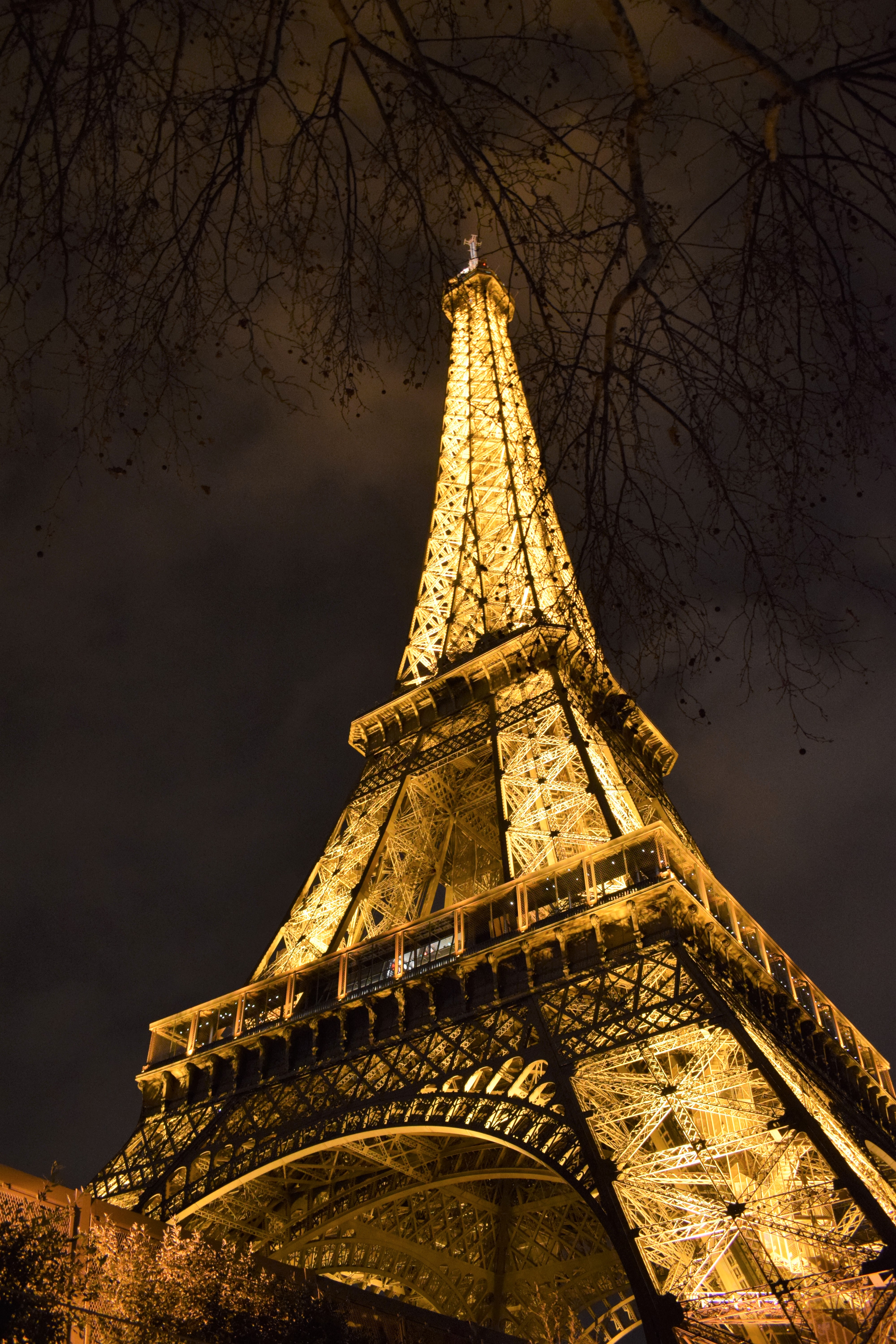

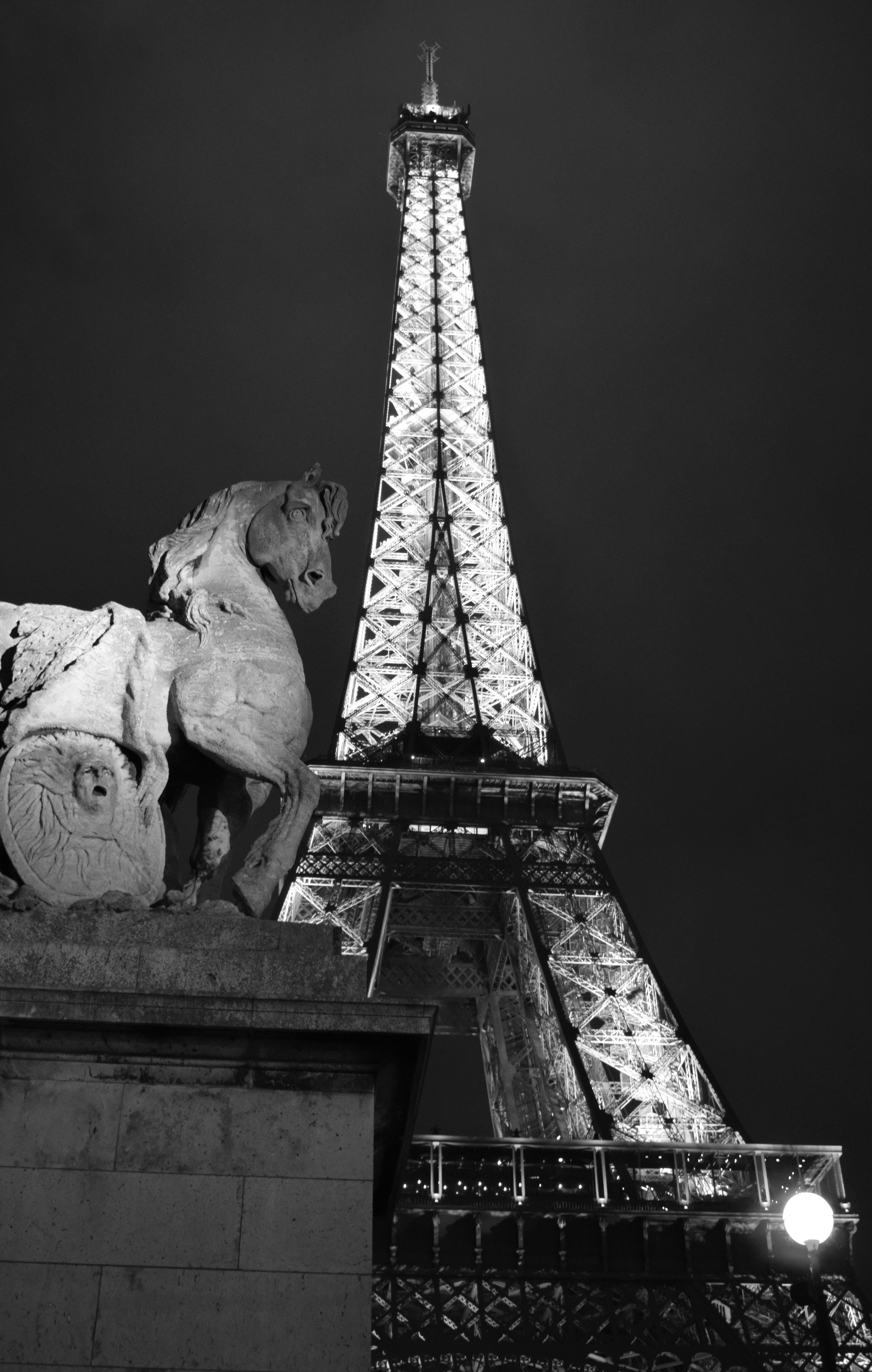
Cassis
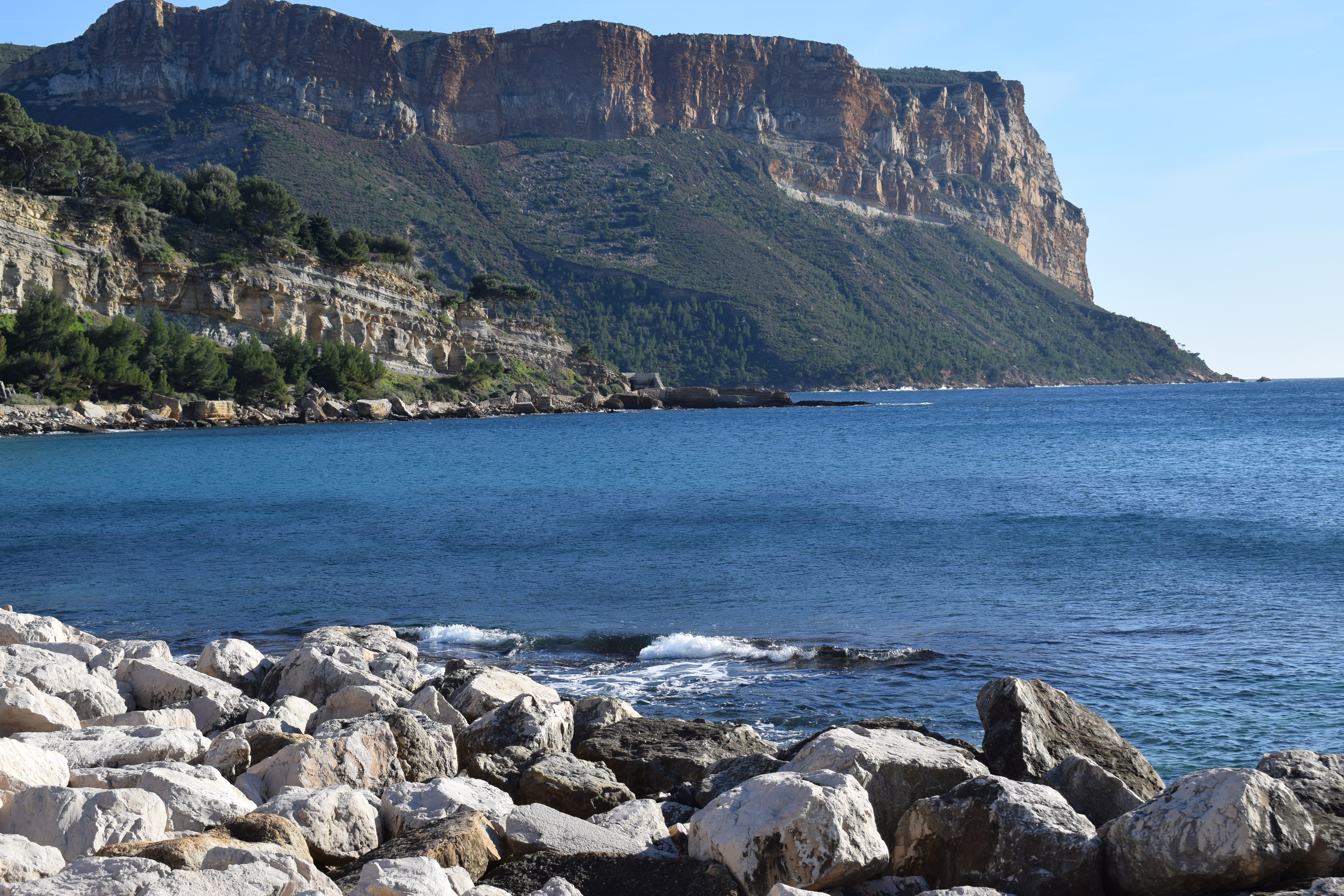
if not for the azure welcoming waters, and
the song in the breeze:
Calypso calling.
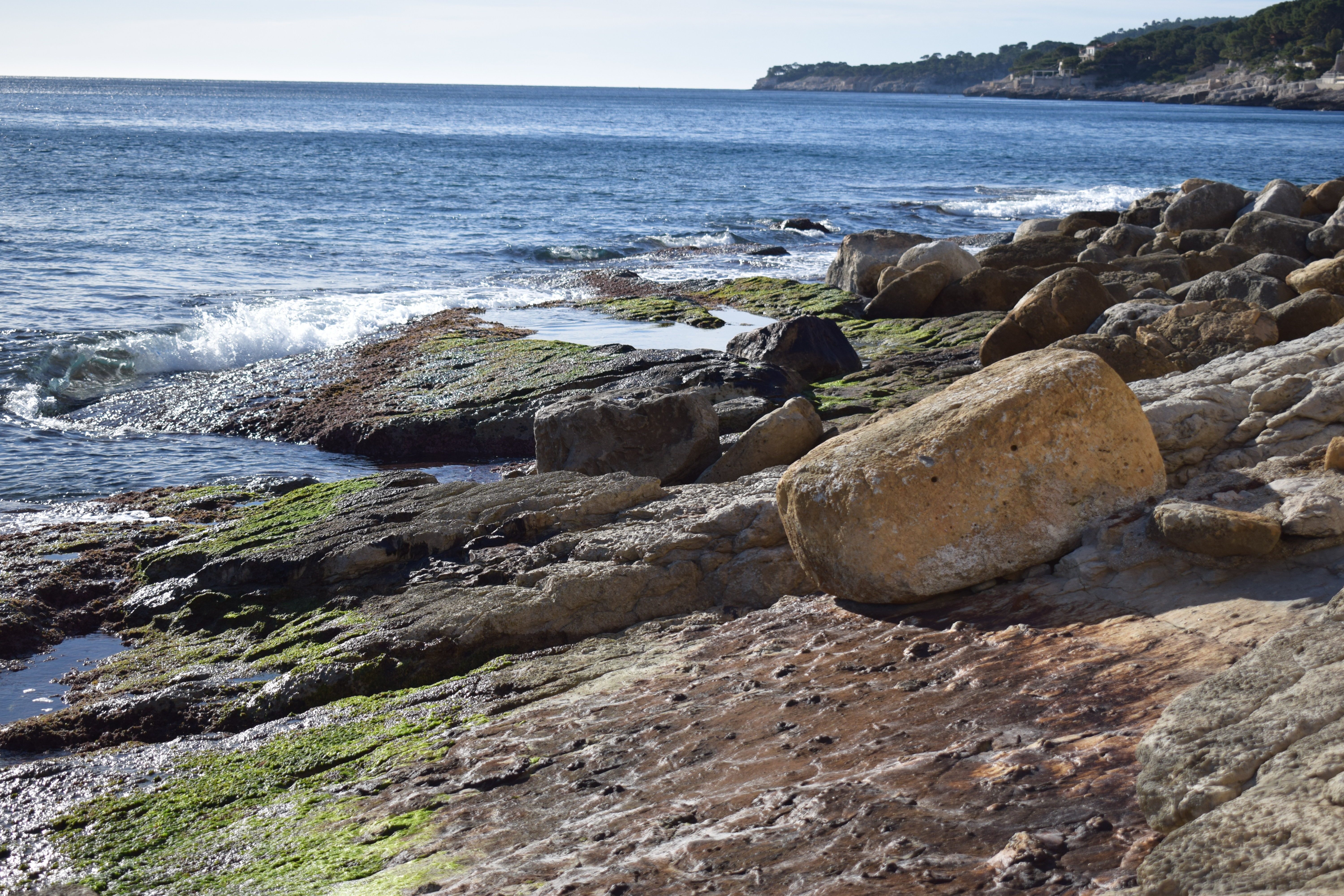
in the moss on stone.
Life pushing through
the cold, hard surface
towards the sun,
towards the water.
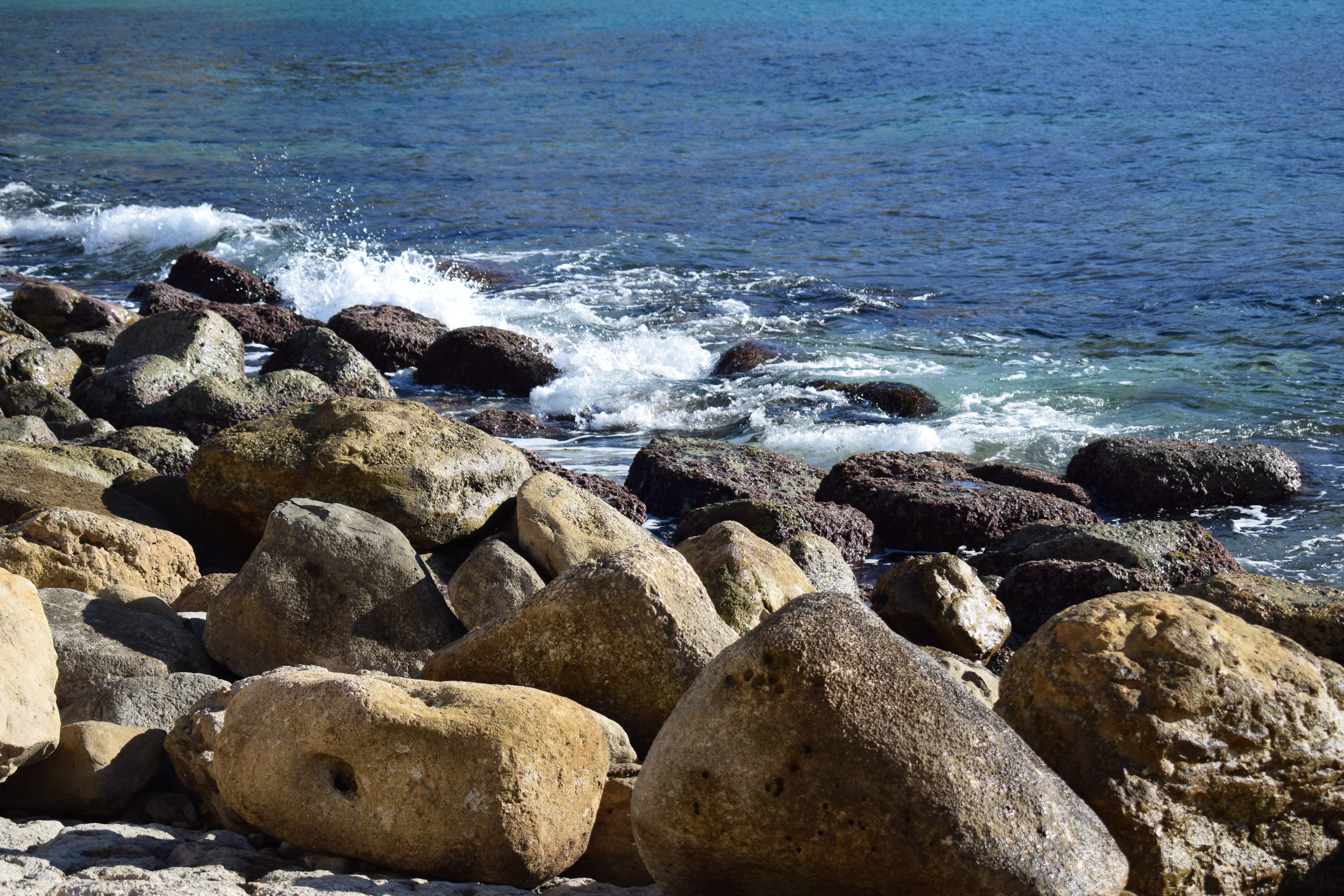
that chisel and changes
a rocky landscape,
she thrives.
Unshaken.
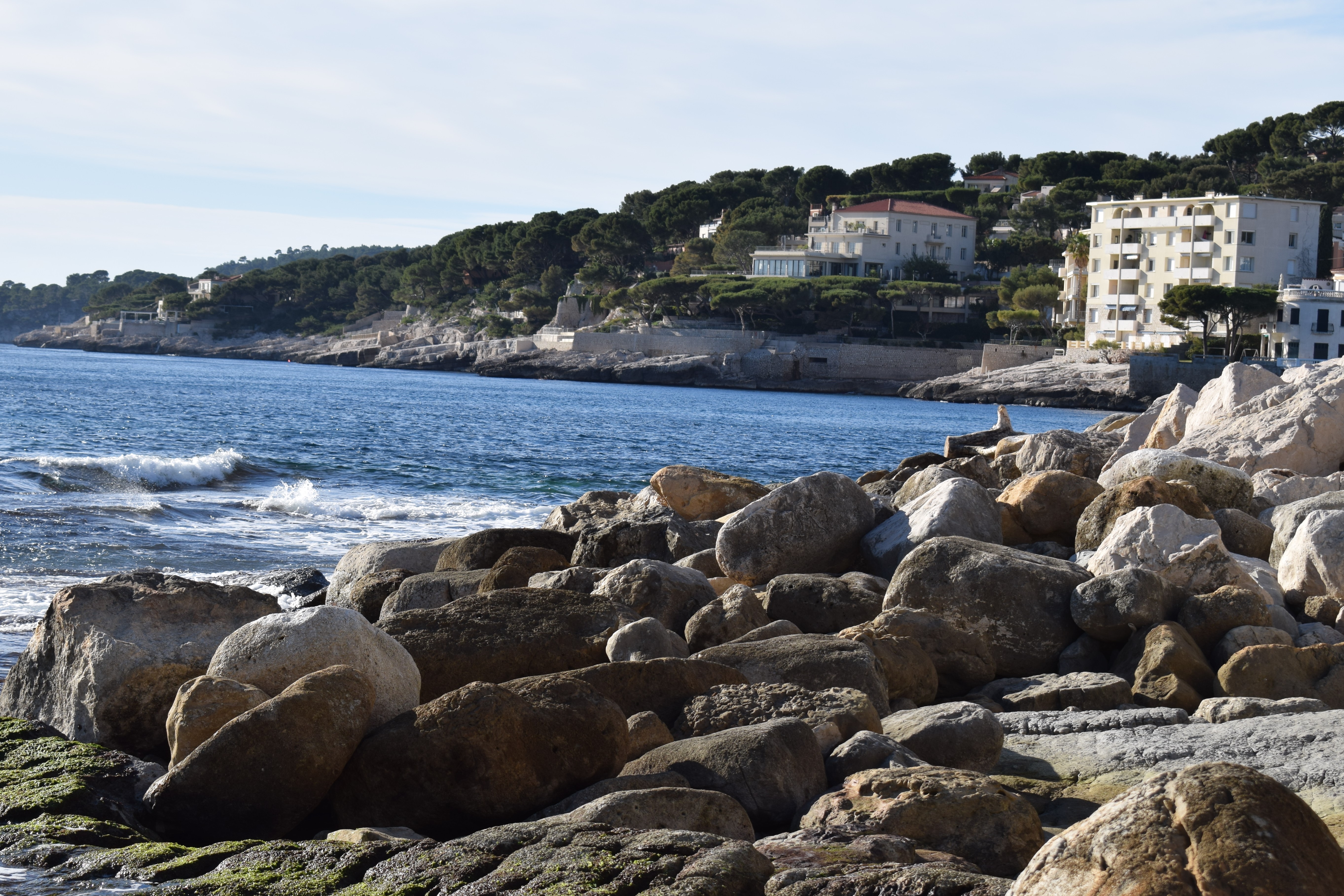
from the breeze off the water.
That’s what I tell myself;
the excuse I give.
Have Some Halva
The first time I tasted Halva I thought I was eating flavored particle board.
It was in a gift box sent to me from a friend in Israel. I had no idea what it was. The writing on the box was in Hebrew and all my friend told me on her note was that it was a popular sweet treat in her country. I could see from the picture on the box, the individually wrapped squares came in three flavors: vanilla, almond and honey. I had no idea which one I would be sampling as I bit into the soft, slightly greasy square. I certainly was not prepared for the sawdust washing down my throat.

I teased my family into trying this would-be delicacy, anticipating the sputtering and frowns, and laughing at their expressions. It became quite the joke.
But the joke was on me.
You see, Halva is a sweet, candylike confection of turkish origin with a flavor base of ground sesame seeds (Tahini) and honey. Other ingredients are added, such as the vanilla and almond,to produce a variety of flavor profiles. It’s the crystallization of the natural sugars that create the distinct texture. It’s a fascinating play on the palate. Though the texture at first seems to be a distraction, it soon becomes an accent to the burst of flavor packed in a small bite.
What you cannot anticipate is the addictive quality of such a simple candy.
My obsession started in the Jerusalem market when a vendor handed me a sample of his espresso halva.
Oh. My. Goodness.
A coffee bean melting in my mouth. I couldn’t get enough. It wasn’t surprising that I whipped out my shekles and bought a block. I nibbled as we walked the streets of Jerusalem, and a couple of days later when I landed in France, I was still nibbling. Yes. I was snacking on an Israeli sweet in France. The irony could not be missed.
By the time I got home, I only had enough to offer my family and friends a fingernail size sample before the dreaded day came when my box was empty.
I found a market near me that sold boxes of the individually packaged, manufactured squares, and although good they did not come near the wonder of the fresh halva of Israel. I was going through withdrawals. It was time for a radical move.
You guessed it. The pots came out.
Homemade Halva
Base
2 cups honey
1 1/2 cups tahini, well stirred to combine
Optional ingredients (Up to 2 cups of one of the following to taste)
Sliced Almonds
Peanuts
Cashews
Bourbon Glazed Pecans
Pistachios
Dried Fruits
Bits of chocolate
Marshmallow
Bits of your favorite cookie
Or Infuse one of the following flavors
Vanilla
Cocoa
Coffee
Green Tea
Cinnamon
Pumpkin
Directions
Heat honey on medium heat until your candy or instant-read thermometer reads 240˚ F, or indicates the “soft ball” stage of candy making. To confirm that you are at the “soft ball” stage, drop a bit of the honey into a cup of cold water. It should form a sticky and soft ball that flattens when removed from the water.
Have the tahini ready to heat in a separate small pot, and once the honey is at the appropriate temperature, set the honey aside and heat tahini to 120˚ F.
Add the warmed tahini to the honey and mix with a wooden spoon to combine. At first it will look separated but after a few minutes, the mixture will come together smoothly.
Add the optional ingredient, if using. Continue to mix until the mixture starts to stiffen, for a good 6-8 minutes. Pour mixture into a well-greased loaf pan, or into a greased cake pan with a removable bottom.
Let cool to room temperature and wrap tightly with plastic wrap. Leave in the refrigerator for up to 36 hours. This will allow the sugar crystals to form.
Invert to remove from pan and cut into pieces with a sharp knife.
To transform it from a candy to a dessert pastry, try glazing it with a complimentary icing.
It will keep for months in the refrigerator, tightly wrapped in plastic…that is if you don’t eat it all first!
Halva some…You’ll be addicted too.
The Herzliya Marina
The Herzliya marina was built in the 1980s at the initiative of mayor Eli Landau. The complex includes the Arena shopping mall, a variety of restaurants overlooking the water, and a walking path along the docks stretching out to the Herzliya Light.
We explored the wealthy district, caught the tail end of a crafts festival along the way and stopped for nightcap. But what I liked the most was the peaceful walk along the waters edge, the glow of the setting sun, the light breeze through my hair, and sharing it all with my friend.
(Click the link above for photos of The Herzliya Marina)
It’s Bastille Day…
Happy Bastille Day!
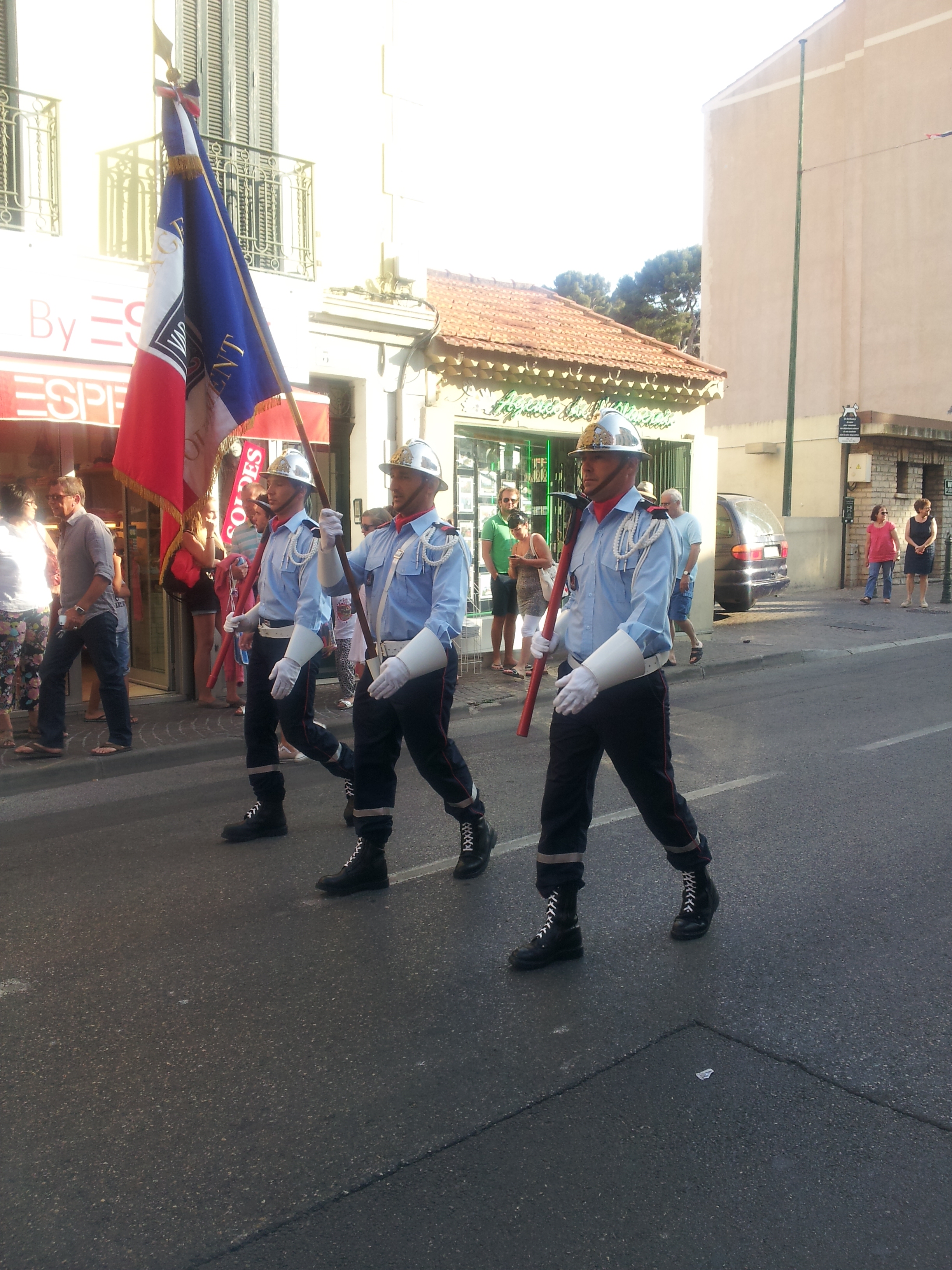
July 14th is La Fête Nationale in France. While this is the date of the storming of the Bastille, the holiday is actually to commemorate the Fête de la Fédération. It is a symbol of the uprising of the modern nation and of the reconciliation of all the French inside the constitutional monarchy which preceded the First Republic during the French Revolution.
Last year I celebrated in Sanary, a commune situated east of Marseille in the department of Bouches-du-Rhone in the Provence-Alpes-Cote d’Azur region in southern France.
It’s a charming seaside community and fishing port. This area is famous for beautiful beaches, stunning views and boat tours to the Calanques, an area that features towering cliffs and dramatic inlets. We had taken one of those boat tours earlier in the day, but were now enjoying the festivities on the port.
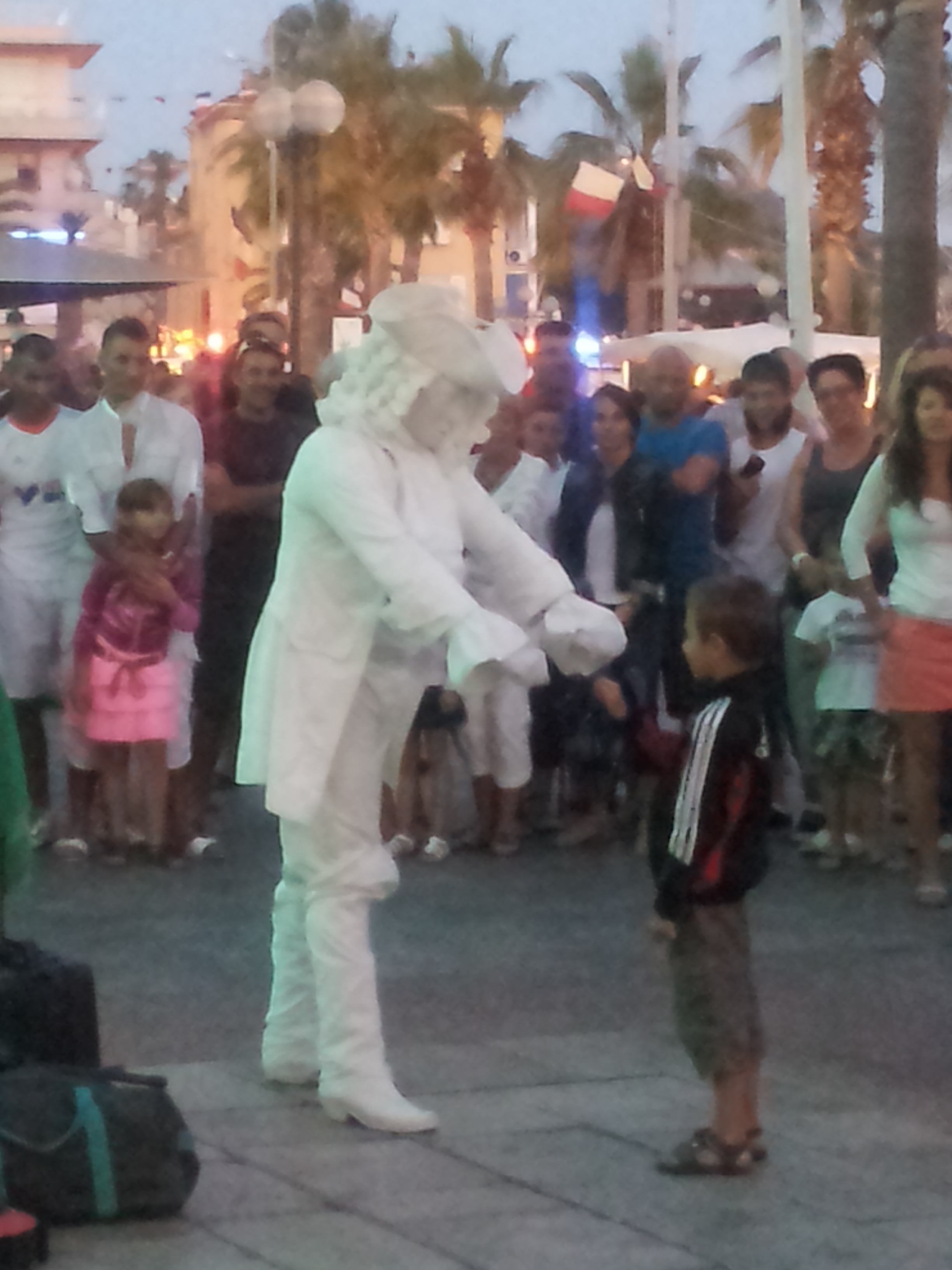
The streets were lined with festival tents and booths where local craftsmen and artisans sold their wares, while performance artists entertained children and adults alike. We weaved through the crowds, checking out the special menus at the restaurants along the bay, until settling on a small pub near the place we had chosen for our fireworks viewing.

As the sun went down in the horizon, the parade of boats began. Sail boats, fishing boats and yachts, decorated with lights and ornaments, circled the harbor as patriotic music resounded through a centralized sound system. The crowds became thick in anticipation of the coming fireworks, but we found a semi-secluded spot on one of the docks.
The original celebration occurred on July 14th, 1790. The popular General Lafayette took his oath to the constitution, followed by King Louis XVI. After the end of this four day feast, people celebrated with wine, fireworks and running naked through the streets in order to display their great freedom.
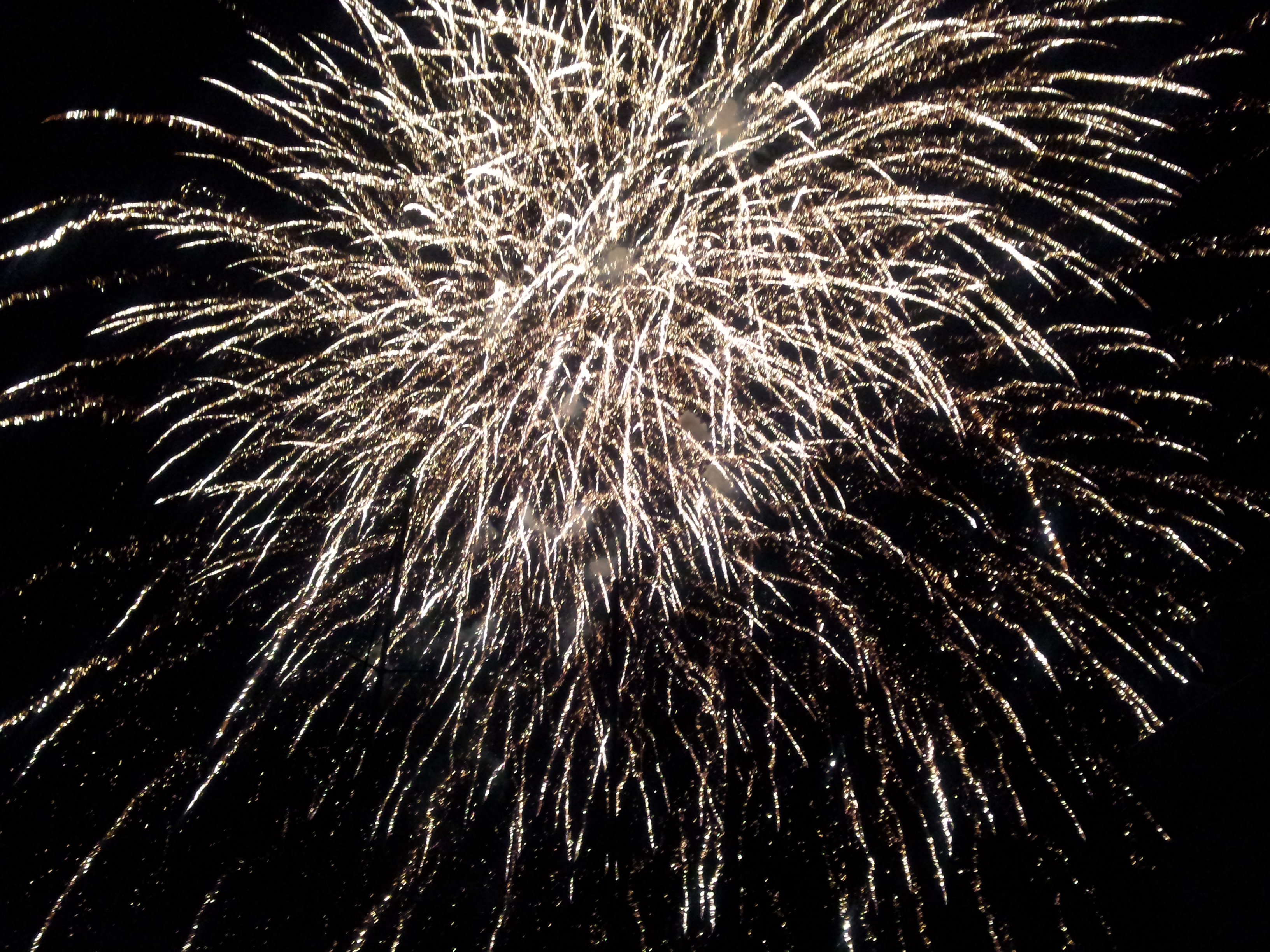
I kept my clothes on, but sat with my legs swinging free over the water and enjoyed a scoop of mango ice cream. The fireworks exploded against the picturesque landscape and festive port, and I was transported back in time to a child mesmerized by lights and sounds, free from worry, heartache and fear, free to be…and that is reason to celebrate.
Me’arat HaNetifim Photos
Click on the link above for more photos of Me’arat HaNetifim on my Facebook Page.
Me’arat HaNetifim: The Stalactites Cave
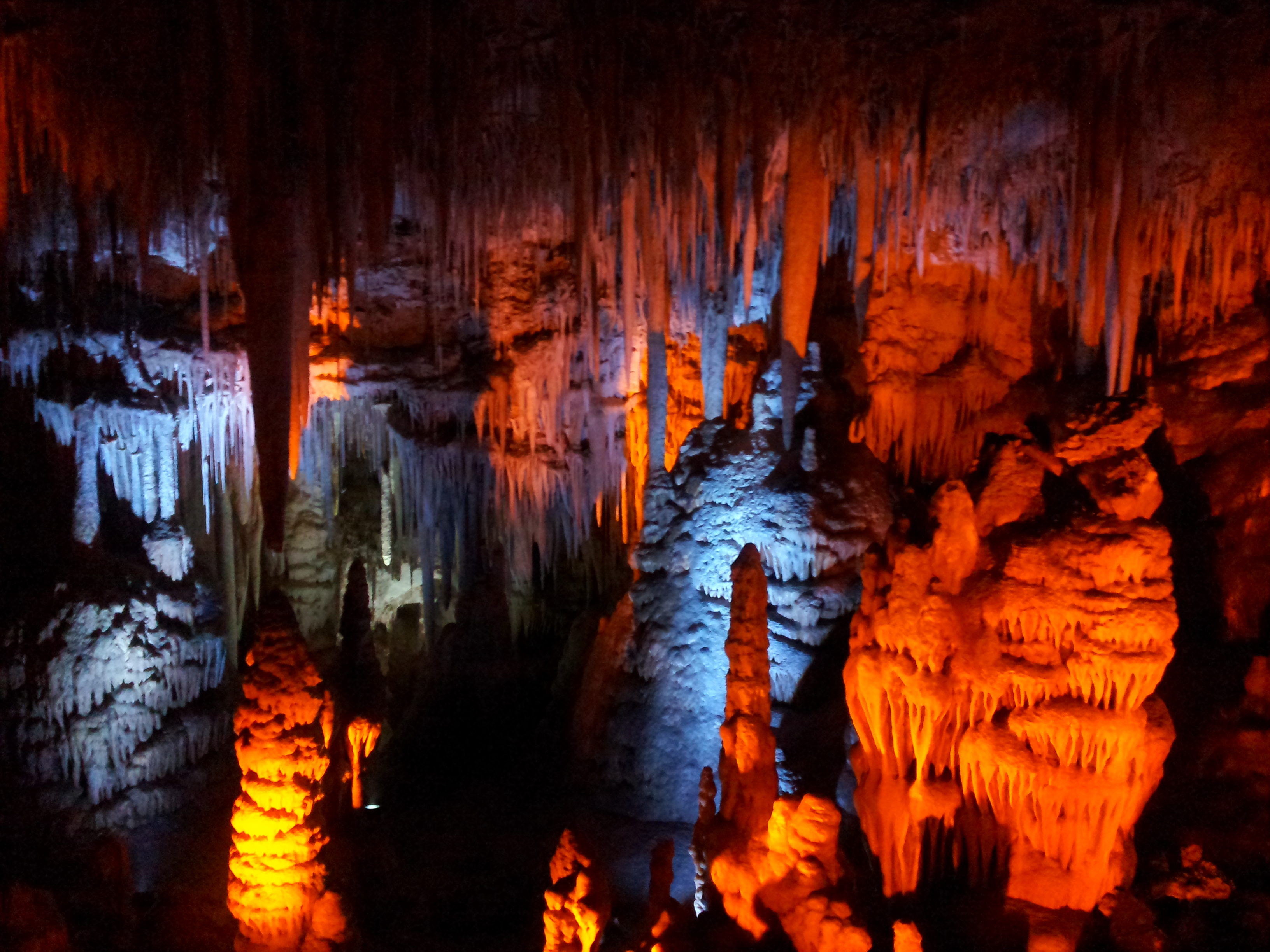
The Stalactites Cave (Me’arat HaNetifim), also known as the Soreq Cave, is a carstic cave that is situated on the western slopes of the Judean Mountains, near the city of Bet Shemesh. The Stalactites Cave was created by the trickling of rain water that has dissolved the limestone, and it includes all existing stalactites formations, some of which have been dated as 300,000 years old at least. The cave’s sediments also create a variety of naturally occurring shapes. Many areas inside the Stalactites Cave are still active and the stalactites and stalagmites in it are still growing. The climb down into the Stalactites Cave goes through a 150 stairs and the views, as you can see, are magnificent.
I Walked The Via Dolorosa
Today I venture out to Jerusalem on my own. My thoughts are crowded, my emotions strung tight; I’ve been through a challenging couple of days. As I sit alone in the train, staring out the window at the passing landscape, I remember it’s my dad’s birthday.
It’s been twelve years since I found him unconscious, the victim of a massive stroke. I had my mother with me then, my hero, my friend. She was my glue. Now she’s gone too…and I’m on a train to the Holy Land. I wish I could tell them what’s going on, what I’m feeling; I wish I knew what they would say, what they would think. I could really use their insight.
I miss them. I miss my parents.
Daddy wasn’t really into church when I was young. He never stopped Mother from taking us, never argued our beliefs. He just couldn’t be a part of it. He’d lost faith along the way, a little lost beneath the hand of his father, a little more as a tortured WWII soldier in a Nazi prison camp, and even more as a police officer who experienced a little too much of the dark side of human nature. He had a hard time forgiving himself. It wasn’t until he was paralyzed by the first stroke that he started to come to terms with who he was as a man and started to search for God again.
I’m on that journey myself. I can’t forgive myself. I can’t forget. I lost my faith, and I’ve never needed it more than I do now.
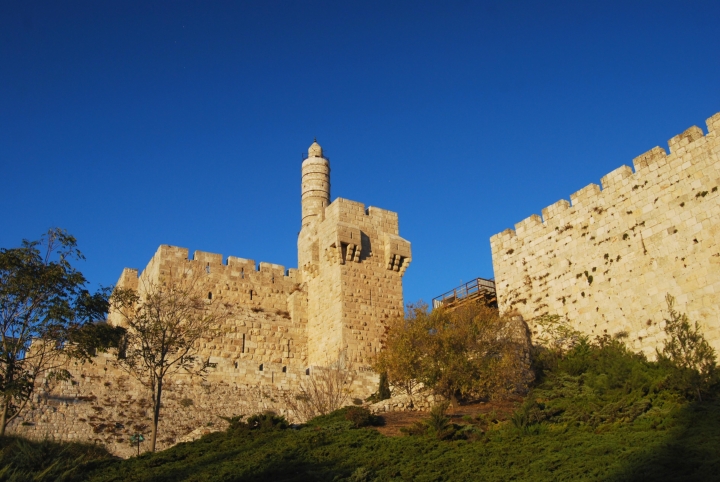
I entered the old city by way of Jaffa Gate. As I stood at the busy entrance, the Tower of David to my right and the start of the Bizarre straight ahead, I knew I needed to get my bearings, to choose my path. I stopped for coffee at a Christian cafe on the corner and looked through my travel app.
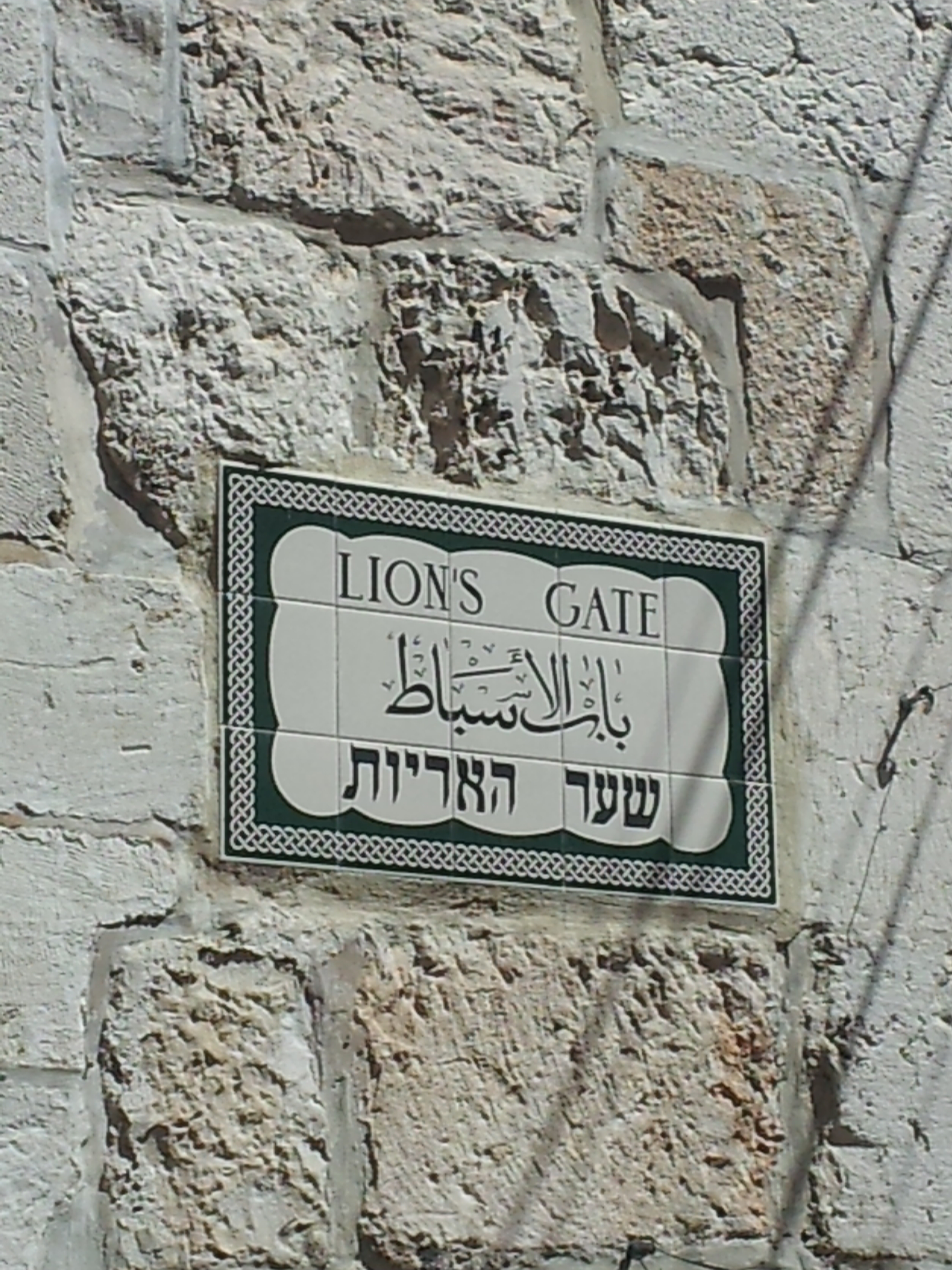
I wanted to walk the Via Dolorosa, the way of grief and it seemed appropriate to start my day there. It starts at the Lions Gate on the opposite side of the ancient city, so I made my way there through the narrow, crowded alleyways.
The Old City of Jerusalem was originally built in 1004 B.C.E. by Kind David, the man after God’s own heart, the boy of great faith and courage, the man of great shame and even greater honor. This city he built has been known as the center of the world. Ancient maps show three continents: Europe, Asia and Africa, situated in a circle with Jerusalem at the center. Since then Jerusalem has been cherished and glorified by Kings and conquerors. This is the land of my spiritual heritage.
The Via Dolorosa consists of 14 stations marking the path of Jesus during the last hours of his life. They are based on events that occurred along the way to Golgotha where He was crucified. I know the story well and yet as I look around me, I feel a tremor of expectation and foreboding.
It’s not as if I believe being in the land will bring me closer to God or that the location itself possesses a magical power, but I cannot deny this is having an impact beyond what I expected. Being able to see, touch, feel…to experience this journey – even with all of the changes brought by time – take it beyond a story or a vision on a screen. It removes some of the ideas and assumptions of common thought to add a true perspective, which personalizes it.
Station 1 is located on the north-west corner of the temple mount. This is the present position of the Al-Omariya school. In Roman times this was the place of the seat of Pontius Pilate, located in the Antonia fortress, and the place of the hall of judgment.
As I stand in the school yard and look into the plaza I imagine the crowds that day when Pilate asked who should be set free by popular acclaim that Passover day, as was custom.
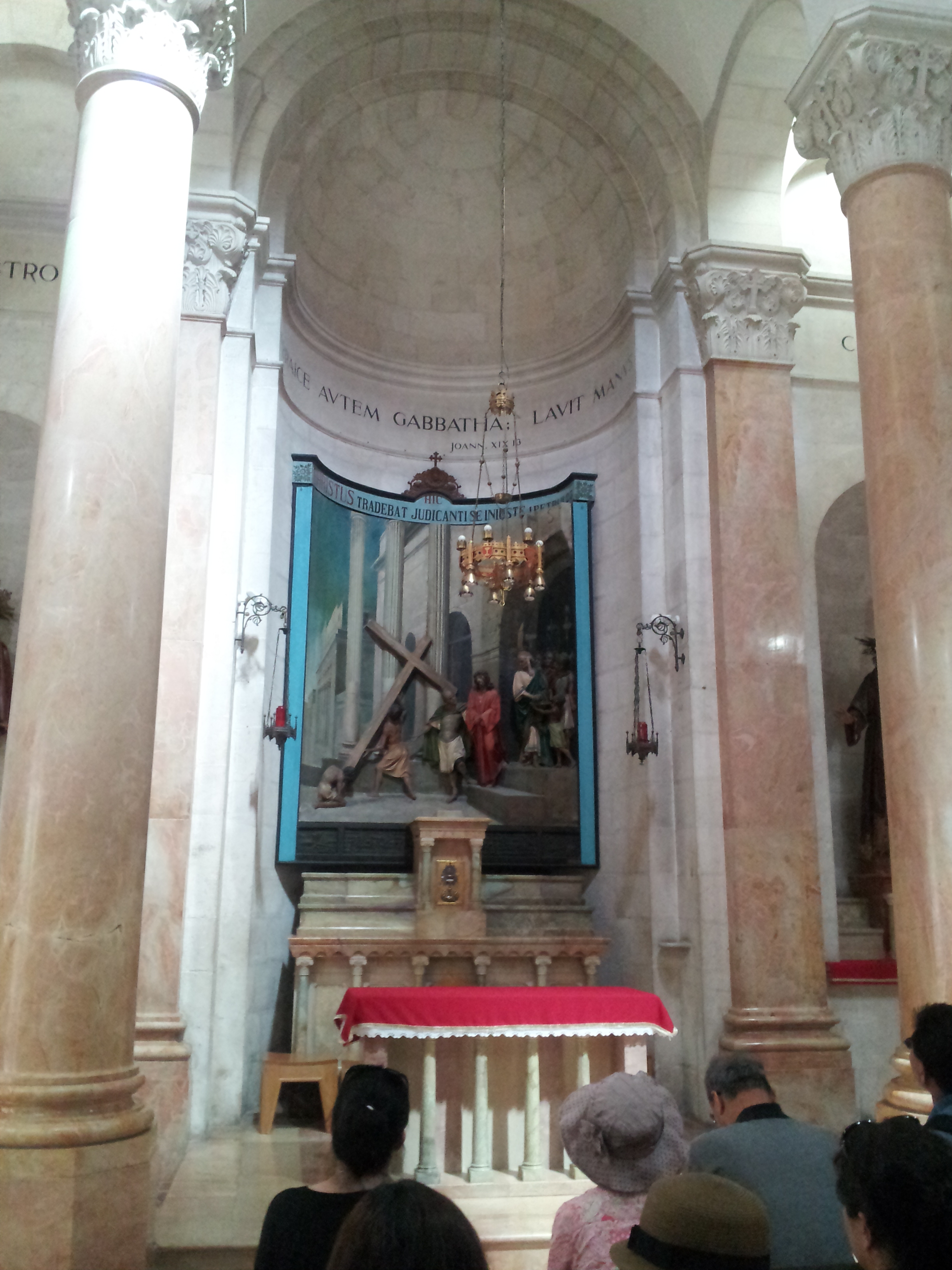
“Give us Barrabas,” they cried. And he was set free.
Jesus was condemned to death that day, and even Pilate knew there was something wrong with that choice. The Bible says he turned and washed his hands of the blood of this innocent man.
I’m not innocent; I have made many mistakes. But I do know the pain of being falsely accused, of being misunderstood, of being betrayed. The tears well in my eyes as I think of how I feel in my much lesser experience, how He must felt at the gravity of what He would face. I consider the sentence placed on him that was greater than any punishment I could ever know, greater than He deserved. And yet he was born for just this purpose, this horror. This was the final leg of his destiny on earth.
Station 2 is near the compound of the Franciscan monastery. This is where Jesus was beaten and where He received the cross.
There are two churches in the compound: The Flagellation and The Condemnation. The interior of the churches house remarkable stained-glass windows and statues that illustrate the events of the conviction, flogging, the soldiers placing a crown of thorns on his head, and the cross being placed on His back.
There’s a post in the plaza between the churches that is like the one Jesus would have been strapped to as the soldiers scourged him. The tour groups have dispersed and I stand alone in the plaza. In the silence I can almost hear the echoes of the mocking voices, the crack against His skin, His painful cries. I can imagine the blood that spattered the stones and the crowd that watched.
I sit down on the cobbled ground and weep as I quote the words I’ve carried with me as promise for so many years.
“He was wounded for our transgression, He was bruised for our iniquities; the chastisement of our peace was upon Him, and by His stripes we are healed.”

I’ve always been taught that Jesus bore our sins and our sickness. He took all my shame and pain for himself so that I could know freedom and peace, so that I could walk with confidence. I need that freedom today; I need to know that forgiveness. I am beaten and lost. I need to know that love now, more than ever.
I can hear my Mother whispering a song in my ear and I find myself singing in a soft, broken voice: “Amazing grace shall always be my song of praise for it was grace the bought my liberty. I do not know just why He came to love me so. He looked beyond my faults and saw my need.” How could anyone love so much to not only give their life, but endure so much to ensure I would have a way to peace and victory?
Station 3 is located on the corner of via Dolorosa and El Wad (Hagai) street. This is the place where Jesus fell for the first time beneath the weight of the cross. The image of this has been carved at the entrance of the Polish church built here.
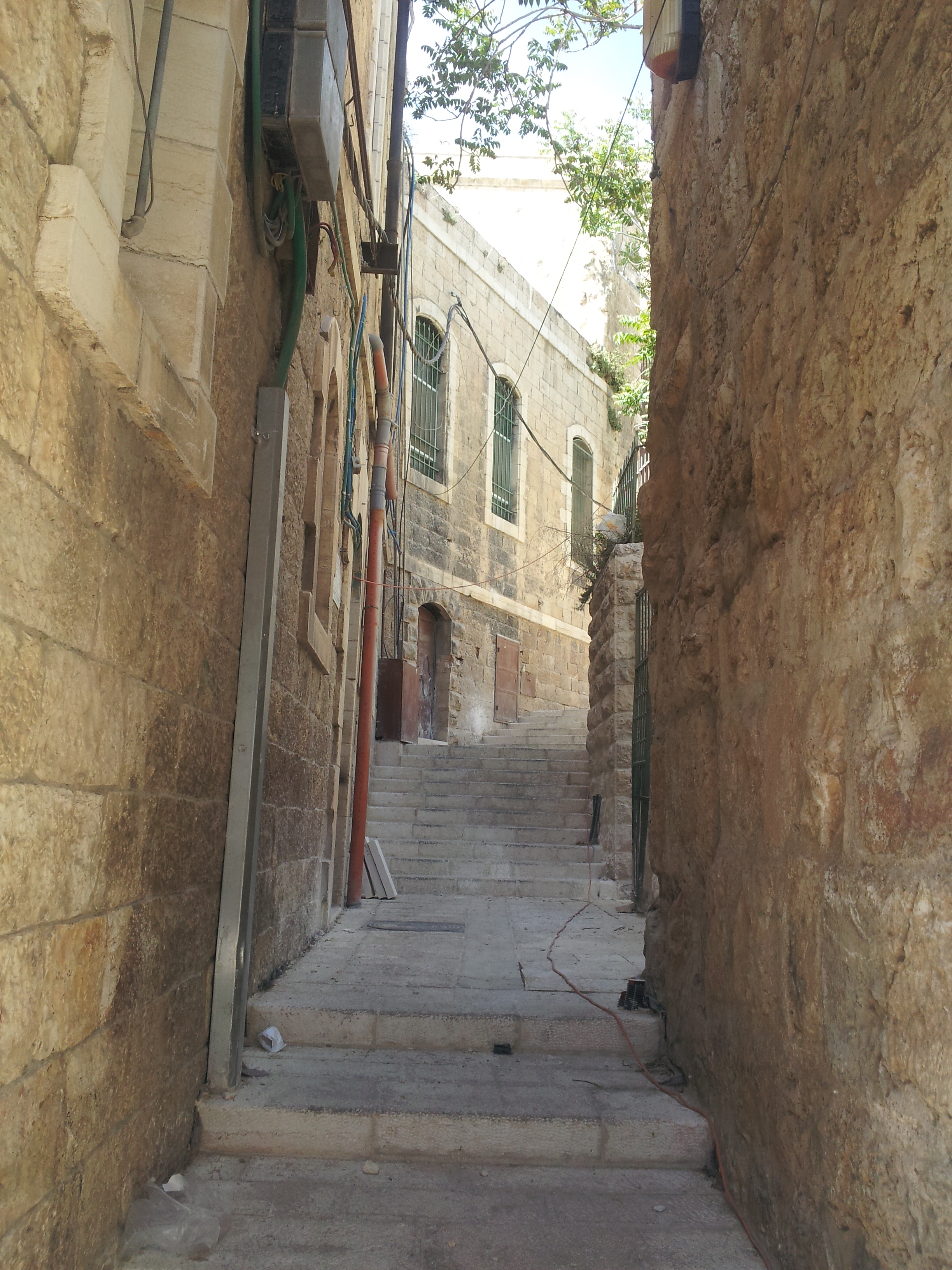
Station 4 is where Jesus met his mother, Mary. She would have come from the small alleyway, pushing her way through the crowds, desperate to catch a glimpse of her son, to have one last minute with Him. She was there with John: “When Jesus therefore saw his mother, and the disciple standing by, whom he loved, he saith unto his mother, Woman, behold thy son!” (John 19:26)
He was being humiliated and shamed, cruelly mocked and struggling to carry the weight of the cross, and yet He had the presence of mind and the selfless spirit to seek assurance His mother would be cared for when He was gone. It’s a staggering thought. I can hardly stop thinking about my own pain; I can’t block out the words that haunt me or forget the bitter experiences. But then I think of the past year, when nothing mattered but my Mother and her needs. Nothing I thought or felt was as important as easing her pain, lightening her load…ensuring she would have a future.
At Station 5, Simon helped Jesus carry the cross. I look up at the road that turns sharply to the right and climbs up the hill through a series of stairs. I lean against the corner wall and take a sip of water.
I’m carrying a small backpack and I’m feeling tired beneath the heat of the sun and the pressure of walking on the cobbled stones at a staggered incline as I weave through the streets. Jesus hadn’t eaten, was weary from the previous night of betrayal, emotionally drained from the trial and the continued mocking, physically exhausted from the beating and blood loss…
Station 6: Veronica wipes the face of Jesus. An act of unexpected kindness. How we all search for them in our time of need, when we feel forgotten and forsaken. A small Greek Catholic Chapel commemorates the moment.
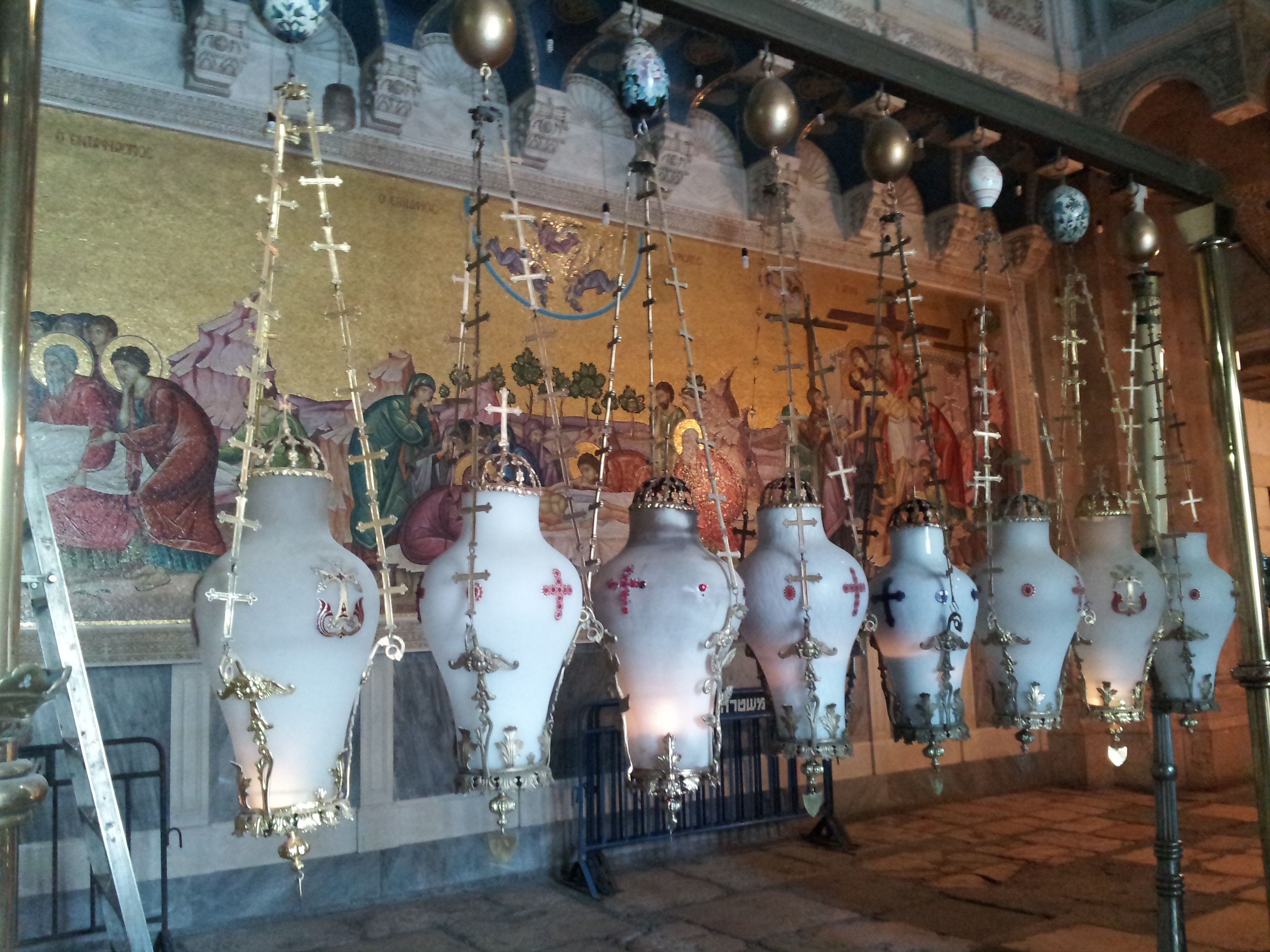
Station 7: Jesus falls the second time. This is where Jesus passed through the Gate of Judgment. This is one of the busiest streets in the Old City it would seem, and it may have been during this time of Jesus. It was an intersection of the Cardo Maximus and a traverse street of the roman Aelia-Capitolina; in modern days it’s the intersection of via Dolorosa with Khan es-Zeit (the Oil Market). The way up the hill and the pressure of the city does not make for an easy walk. Of course Jesus fell. I wonder if I will.
Station 8 is based on Luke 23:27: “But Jesus turning unto them said, Daughters of Jerusalem, weep not for me, but weep for yourselves, and for your children.”
And at Station 9, Jesus fell for the third time. This is near the Church of the Holy Sepulcher, on a roof courtyard above the underground Armenian Chapel of St Helen and at the entrance to the Ethiopian church of St. Michael.
By now he would have been beyond critical blood loss. His strength would have been gone, his vision blurred and eyes blocked by the blood trickling from His brow. He must have been so ready for the pain to end.
Stations 10 – 14: Jesus stripped of His garments, nailed to the cross, dying, being taken down from the cross and taken to the tomb are all marked within the walls of the Church of the Holy Sepulcher.
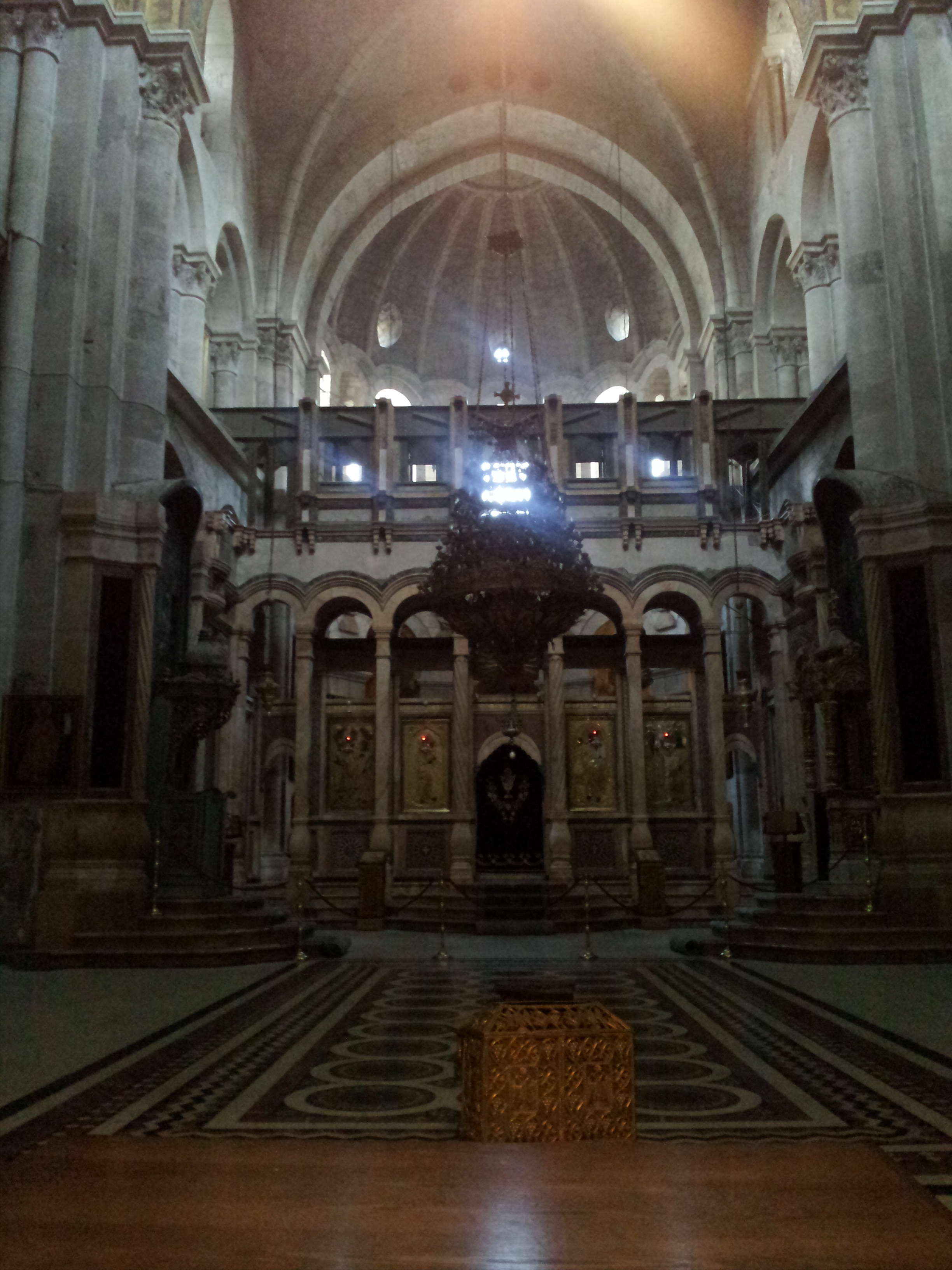
The first Church of the Holy Sepulchre was approached by a flight of steps from the Cardo, the main street of Jerusalem. It was accessed through a narthex, a basilica and an open area (the holy garden), which had in it the rock of Golgotha. About 10 years after the crucifixion, a wall was built that enclosed the area of the execution within the city and separated the image of the skull from the city. (I would see the image of the skull in the landscape that gave Golgotha its name later. It is just outside the walls, and although protected, the view is blocked by a modern bus station.)
The church has been destroyed, rebuilt, captured, adapted, liberated and renovated by various religious and political sects many times throughout history. The church is richly decorated with structures, art, ornamentation and symbolic relics that mark various phases of medieval history, European imitations and Christian history. You can visit the Armenian chapel deep below ground level, and explore the Edicule on the main floor. There are beautiful mosaics, icons and lanterns, part of the rituals and reflections of the passion of Christ. Upstairs are Greek Orthodox and Catholic alters that mark the crucifixion. In all, six denominations celebrate their rites in and around this cavernous house of worship.
The church is significant in understanding contemporary Christianity and its complex history; it is certainly a living testimony to the tenacity of Christians to retain and honor their own piece of Jerusalem. But somehow I feel the personal connection to the Passion experience is lost in the elaborate embellishment and rituals, in the tension required for the varying religious groups to maintain their presence and reflect their heritage. I am immersed in the beauty and culture around me, yet it doesn’t hold the power to move me, to capture my heart as simply walking the steps of Jesus did.
It’s hard not to consider how this may actually reflect the impact of structured religion on society today. What began as a celebration, a proclamation of the gospel, and even a means of discipleship and growth has become a relic of history, a testament to the past, but not a true path to finding a deep, abiding relationship with God.
Jesus came to love. He walked among us, showing kindness and forgiveness, offering grace and mercy. He gave honor and respect, and was only relentless in sharing the love of God, not the dogma of religion.
As I leave the darkened hall of the church and squint into the sunlight, I know without a doubt I’d rather be remembered for love than arrogance; I’d rather fight for the experience of a loving relationship, than go to war for a symbol of it. My journey today has led me to a personal truth: though I am still in the midst of my via dolorosa, it doesn’t feel as meaningless and cruel. I’d rather walk the way of grief than sit in a hall of history or an emblem of fame.
A Day In Jaffa
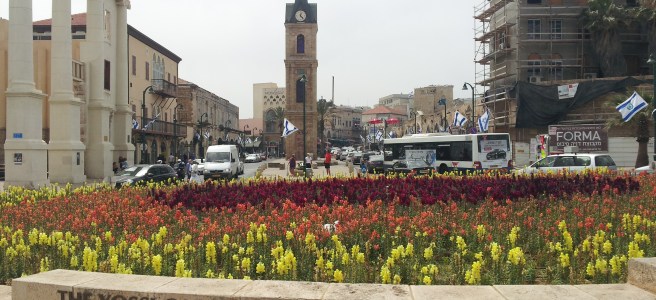
I went walking through Jaffa.
I could talk about the 7,500 years of history this magical city heralds, but that wasn’t what captivated me most. It was the flea market, the shops and galleries, the restaurants and the harbor. It was the culture.

It began near the clock tower where we were gifted with music and theatrical improvisation from a local youth group. The crowds brought their Borekas (a breakfast pastry filled with cheese, potatoes or vegetables) and gathered around the center to enjoy the show. This is just the taste of culture I most enjoy when I travel, the impromptu performances and surprise festivals that bring me into the heart of the people. There’s something captivating and irresistible in the illusion of being a one with the people and not just a tourist on the inside, yet still on the outside looking in.
We made our way to the Flea Market where local artists, consignment & junk dealers, and craftsmen alike sold their wares beneath tents and along busy street corners. It was much like a neighborhood garage sale in the United States, and yet how incredible to get a glimpse into the vintage toys, games, fashions and arts of the region. Inquiring about an item can easily result in the telling of childhood stories and sharing of local folklore from the sellers.
The small alleyways and streets which make up this city are lined with interesting shops to accentuate the flea market experience. There’s an intriguing balance of history and modernism to the area: the graffiti lined walls and artists sculptures intermixed with modern architecture easily transition to a Napoleon era stone buildings and monuments.
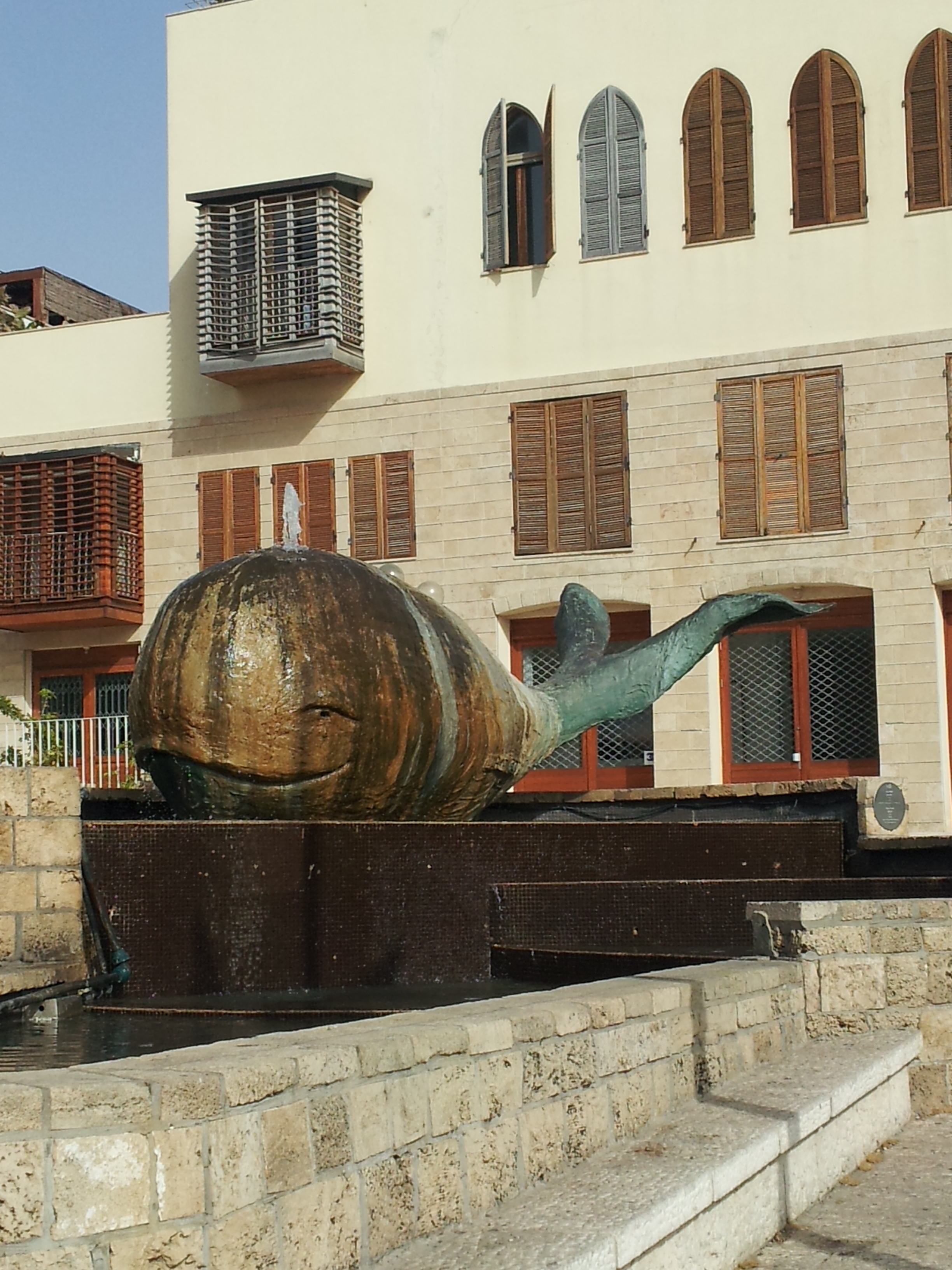
We come across a fountain with a large whale sculpture. I immediately think of the Biblical story Jonah and the Whale, but my friend isn’t convinced Jaffa was even a real port or city in Biblical times. I disagreed.
“Jonah was ordered by God to go to Nineveh to prophesy against it because of their great wickedness,” I explained to my friend. “Jonah went to Jaffa instead and sailed from there to Tarshish. A storm came and the people on the boat became afraid. They blamed the storm on Jonah because of his disobedience and tossed him overboard so that they would survive. A whale came and swallowed him and he stayed in the stomach of the whale for three days before finally being puked up on dry land. Needless to say, he went to Nineveh.”
It turns out the sculpture was indeed inspired by the story of Jonah. It was created by the local artist Ilana Goor.
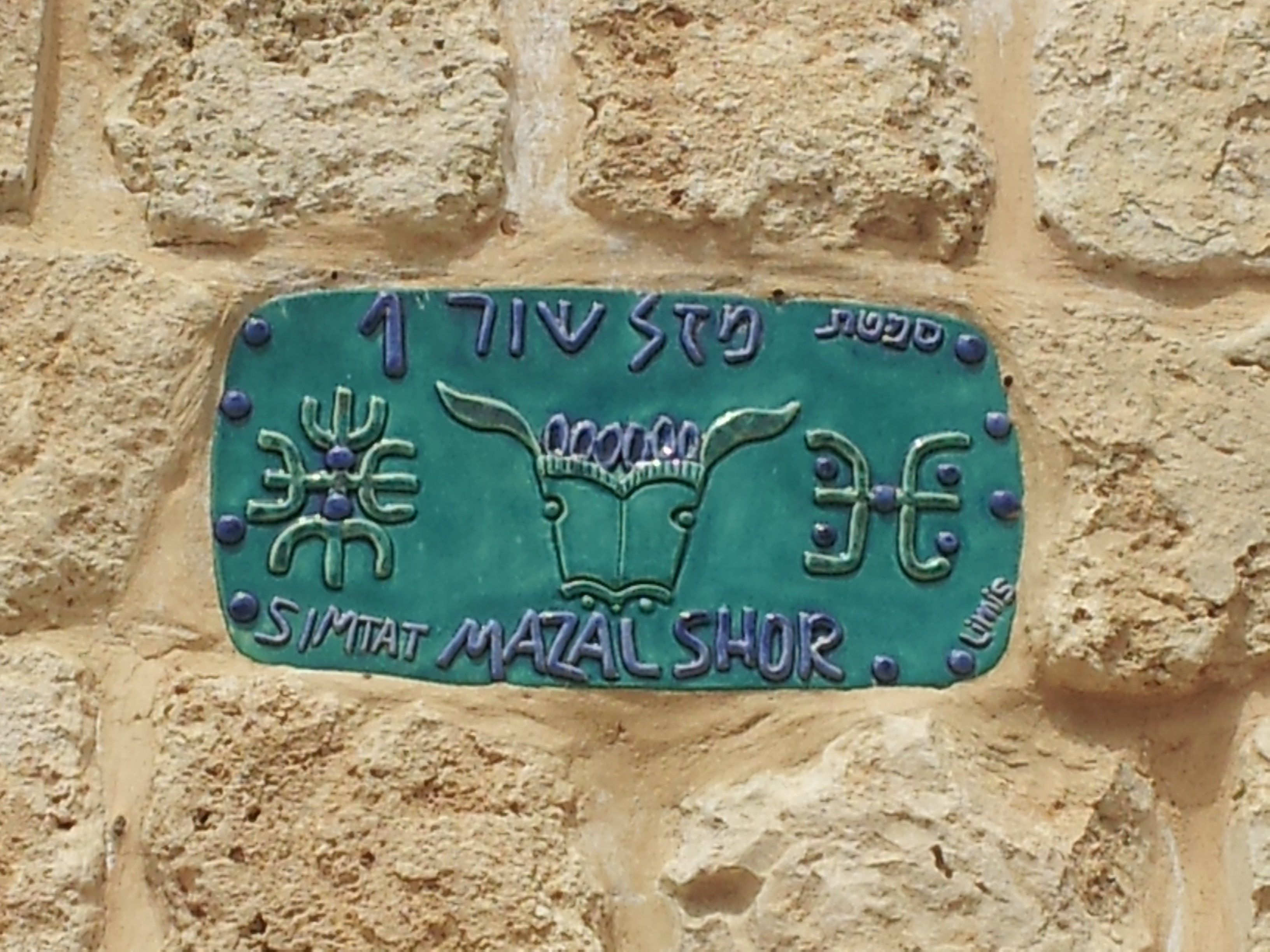 Our journey takes up passed a missing section of Jaffa’s walls, where they were breached by Napoleon’s soldiers in 1799, and up a set up stairs that take up to Mazal Dagim Street. Narrow covered streets with artwork installed on the walls make up this section of the city. Many of the streets in Old Jaffa are named for zodiac signs. As we peruse the various shops and galleries, we keep an eye out for the streets that represent our signs so we can take a cheesy tourist picture, until we come across an organic sculpture of a suspended orange tree. It was created by artist Ran Morin and was inspired by the great Israeli icon the Jaffa Orange. I slid beneath the tree since it’s important to capitalize on the moments when you’re working for cheesy photos.
We come across an archaeological site with a sculpture representing an Egyptian gate (Ramses Gate), a memorial of Pharaoh Thutmose III who conquered the city in the 15th century B.C.E. by sending baskets of gifts to the king of Jaffa with Egyptian soldiers hidden inside. “Clearly a Trojan Horse is more cinematically appealing than a Pharaoh Basket, but apparently the dramatic results are the same,” we can’t help but note as we follow the stone paved path up to the top of Tel Jaffa to a gate-like sculpture by artist Dan Kafri. It’s called the Statue of Faith and depicts several biblical scenes carved on the sculpture, including the binding of Isaac, the conquest of Jericho and Jacob’s ladder. But my attention is quickly pulled away from identifying the scenes by the breathtaking view of Tel Aviv’s Mediterranean coast.
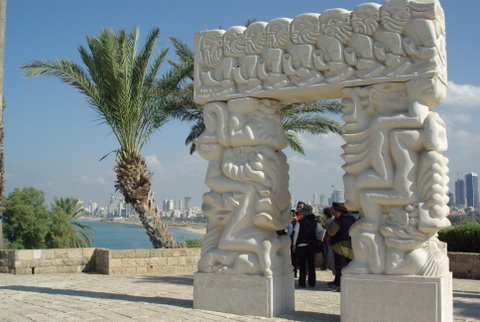 It’s peaceful and serene as we stare out into the horizon over the water. For a moment I can feel the weight of history upon me, but it is quickly interrupted by the chants coming from the nearby mosque. It’s prayer time and the al-Bahr mosque is broadcasting it from the tower. It is Jaffa’s oldest existing mosque that was renovated in 1997.
As we descend the tell, there is a surreal feel to the experience. The chants continue to surround us as we approach St. Peter’s Church, a basilica and hospice built in the late 19th century by the Franciscan Order with funding from the Spanish royal house. One of the chapels is part of an earlier church built on the same location by the Crusader king Louis IX. The church is dedicated to where Peter had a vision while in a trance on the roof of Simon the Tanner.
Just north of the church we can see the rocks at the entrance to Jaffa Port. My friend explains Greek mythology tells the story of Perseus saving Andromeda and the city of Jaffa by slaying the sea monster Ketos Aithiopios along these rocks. I’m impressed and find myself yelling “Release the Cracken,” quoting the movie Clash of the Titans. I have to catch up to my embarrassed friend. She’s now on a quest, perusing the market along the harbor for something to drink.
I am enjoying a cinnamon infused lemonade as we meander through the busy port when we discover an art exhibit in one of the vacant warehouses. The artists are from Israel and Palestine, and the exhibit unites the countries through the talent of young artists. It is interesting to note the contrast in the overall feel and expression in the pieces from the two countries: hope vs. despair, depression vs. anger. We discuss politics and the desire for peace that isn’t always represented in propaganda in the States. It’s a look inside a generation who’ve never known peace, but dream of a time when their leaders will break the pattern and hear their cries.
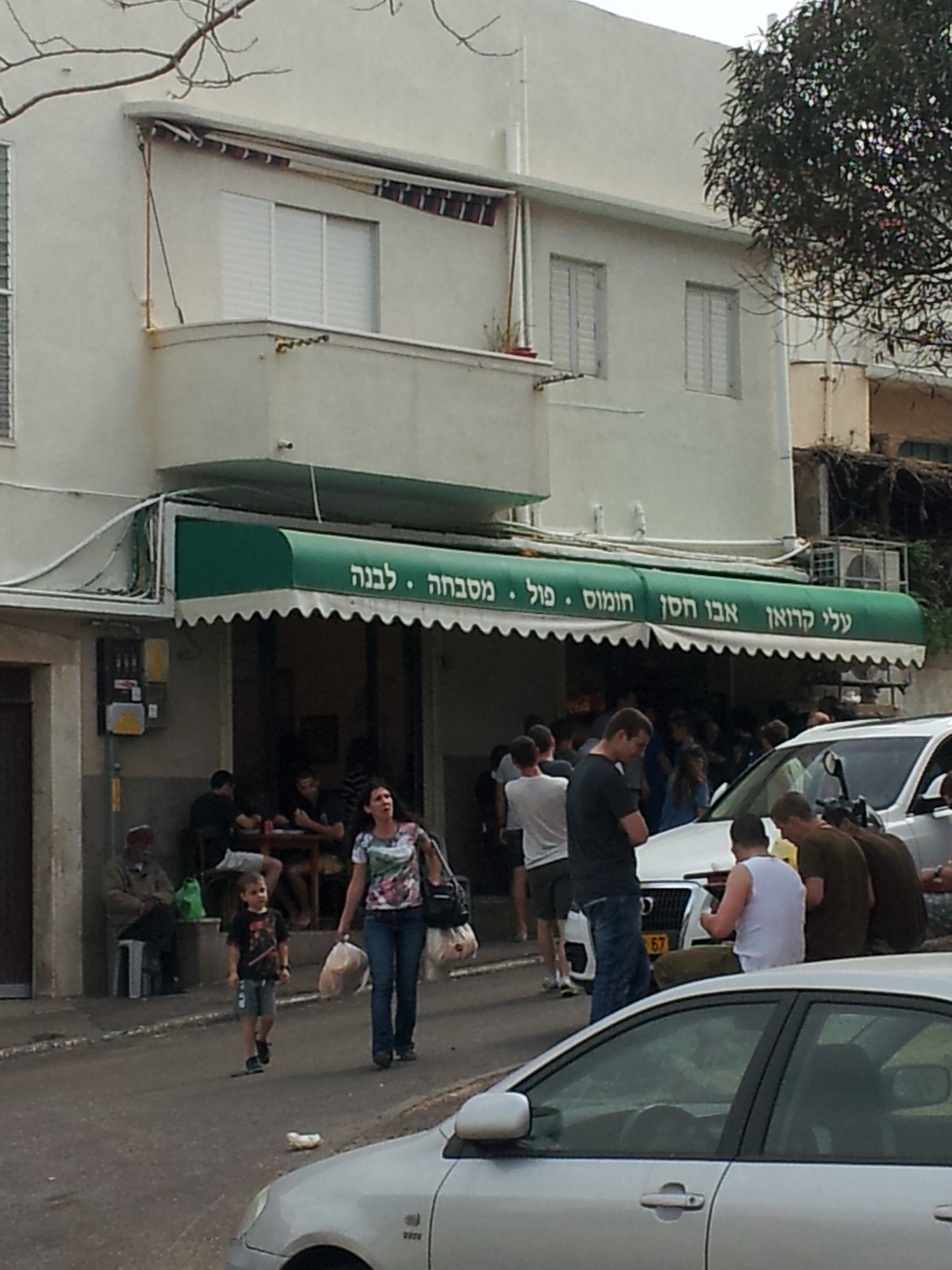
Much of the graffiti in the area represents this theme. As we take photos and discuss the images on the walls and buildings, a local points us toward the best hummus stand in Jaffa. How could we resist such a suggestion?

Within minutes we’re standing in line on a crowded residential street corner making our way toward the small building that houses a kitchen, six tables and a takeaway window. We carry our order down the street a bit and straddle a wall overlooking the Jaffa Lighthouse. It is there I learn to scoop hummus like a native and learn a few Hebrew words. It is there I begin to feel a little more at home.
We return to the port to watch the sunset. It’s a kaleidoscope of color, accompanied by the songs of the street musicians. I feel the breeze off the Mediterranean and I’m in awe of the beauty of this country.
Dead and Alive

Ah, the Dead Sea.
Who can resist the healing waters? The minerals? The mud?
Called Yam HaMawet in Hebrew, the Dead Sea is 1,388 feet below sea level, Earth’s lowest point on land. It is also one of the deepest hypersaline lakes in the world with 33.7% salinity. It is this salinity that makes it impossible for aquatic animals and plants to survive. By contrast, it is a major center for health research surrounding the mineral content of the water, the low pollen and allergens in the atmosphere, the reduced ultraviolet rays in the dessert area, and the higher atmospheric pressure at such a low level. It is interesting to note the area is known as one of the world’s first health resorts, dating back to the time of Herod the Great. Even now it continues to supply a wide variety of health and beauty products, balms, herbal sachets and a multitude of miracle cures based on the chemistry found in these waters.

Over 1.2 million foreign tourists visit the Dead Sea each year. In fact, “floating” in the Dead Sea is advertised as one of the top 10 things to do in Israel. What interested me the most is the discovery that floating is not an option, it’s a command of nature that will be followed!
There’s nothing to compare with this experience. Upon entering the water, I was immediately taken with the thick, oily feel to the water and the slight sulfuric odor, but as the water reached waist level I was distracted by how difficult it became to maintain my stance. It was as if the water was pushing my legs out from under me. It actually took a concentrated effort to remain standing. When I finally gave in to the pressure of the sea and allowed myself to be swept off my feet (wouldn’t you know it would be the Dead Sea and not a man that finally did it), I discovered the true essence of floating.
You see, anything with a higher density than water will sink in water. The human body is, by weight, roughly two-thirds water, and therefore a density quite similar to that of water. The factor that affects the natural ability to float is body composition: greater muscle density or a low ratio of fat to muscle fiber will produce a greater tendency to sink. Regardless, the water content of the human body creates a pull toward floating above sinking. This is why the standard floating experience involves consciously relaxing, breathing deep, stretching out your body and engaging your core muscles. To compensate for the dynamics of body composition, you need to give up a bit of control and stop fighting physics. This is simply not the case in the Dead Sea. The salt content of the water increases the density of the sea. When the human body is submerged in the water it creates a buoyancy effect or a “forced float.”

I submitted to the will of the saline. As I found myself relaxing because I was floating (and not relaxing to be able to float), I was struck by the stillness in the air and the remote beauty of the desert surroundings. The monochromatic nature of the mountains and dunes in contrast to the blue of the sea was quite breathtaking.
I thought about the path we’d taken to the sea. It took us along the mountains through what would have been the Biblical cities of Admah, Zeboim and Zoar, the cities in the plain, but also along the southeastern shore, an area believed to be the location of Sodom and Gomorra, the cities destroyed in the time of Abraham. In many ways it is easy to see the attraction for desert living that distracted Abraham from following God’s original direction and caused him to linger as a desert nomad.
Edward Abbey once wrote “The desert holds a perfect and natural balance between lifelessness and living vibrancy.” As I float and breathe in the crisp air, feel the quiet of the land and the vastness of the canyons, cliffs and desert surrounding me, I experience the immensity of the world around me in contrast to the smallness of me. I am just a speck of sand, and yet perhaps in the greater purpose I join with others to texture the landscape as a moving line of beauty, a ripple of life on barren hills.
I see my friend lounging near the waters edge. In a world where individuals get lost in the crowds and responsibilities, where people don’t even know their neighbors and struggle to make friends…in a desert of loneliness and loss, we somehow connected. We’re like the sea. There’s nothing to explain or sustain us, no logical reason we should have bonded, and yet it’s as if all of the elements of impossibilities conjoined to give us buoyancy, to help us float when we should be sinking.
Today I floated in the Dead Sea…and I feel alive.
 by G. Anne Bassett